
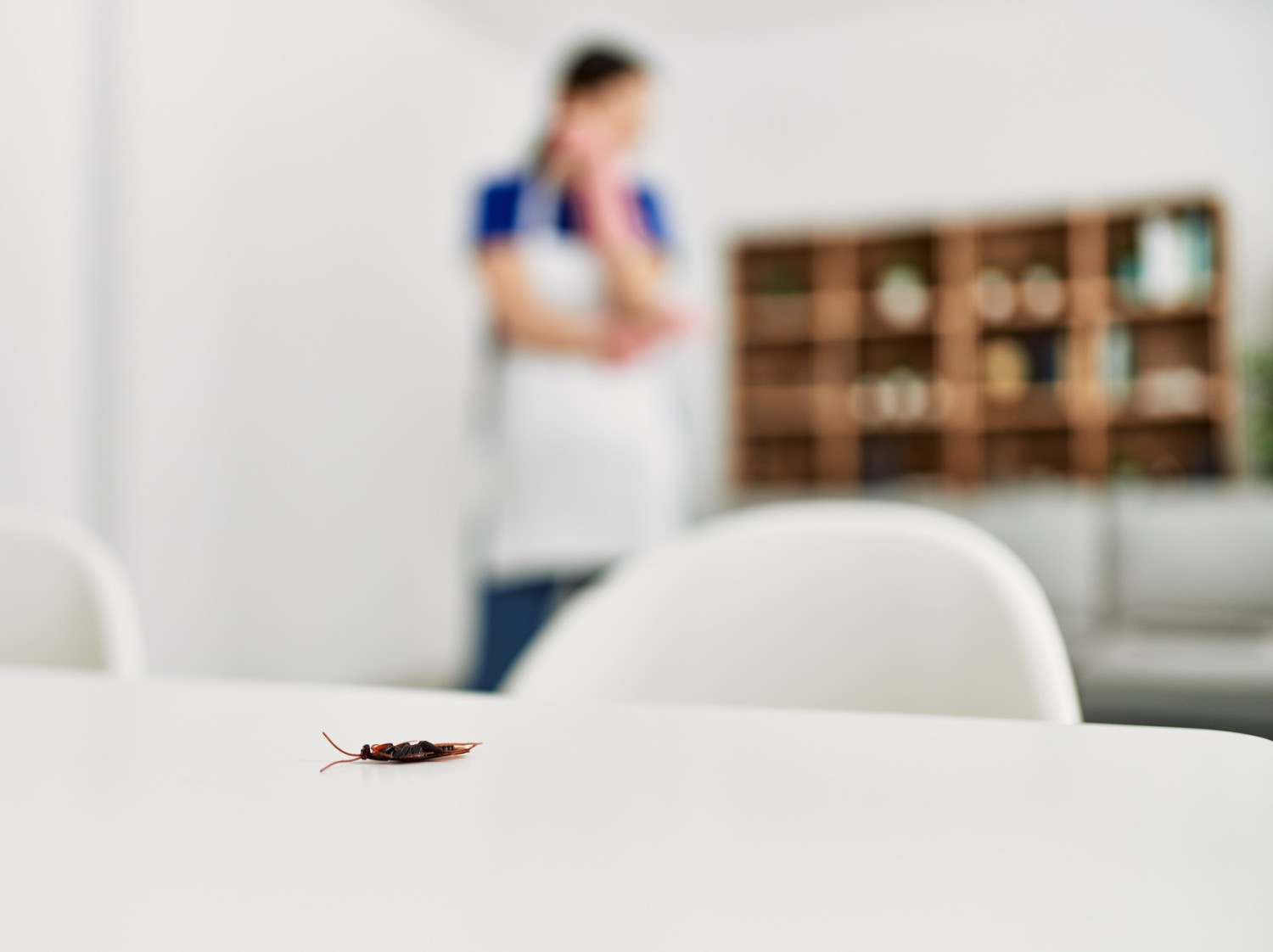
You may know someone who seems to struggle every summer with ants, spiders, or earwigs, whereas the house next door is hardly affected.
Yet both properties are in the same neighbourhood. Why such a difference?
It’s not down to bad luck. A home and its surroundings may possess several characteristics that can make it much more appealing to insects
Humidity: The Strongest Magnet
Unsurprisingly, moisture is one of the main contributing factors of insect infestations.
A house with a damp basement, inadequate ventilation, or an unnoticed water leak provides an ideal environment for several species.
The following insects, for example, particularly enjoy moist areas: woodlice, centipedes, silverfish, and certain kinds of ant.
An overflowing gutter or poor drainage around the foundations is all it takes to create the conditions they need to move in and thrive in your home.
Vegetation Too Close to the House
Lush landscaping makes for a pleasing sight, but it can also serve as a bridge between the outdoors and the indoors.
Tree branches touching the roof, shrubs growing right up against the walls, and climbing plants offer direct access for many insects.
Furthermore, dead leaves, mulch, and piles of wood near the foundations provide excellent hiding places for all kinds of critters.
The Tiniest Crack Is Enough
It doesn’t take much of an opening for bugs to find a way inside your home: often, the point of entry is practically, if not totally, invisible to the naked eye!
· A crack in the foundation
· A worn window seal
· A gap under a door
· A tear in a screen
Older homes tend to have more weak spots, but newer builds aren’t immune either. Over time, materials can settle, creating small gaps that should be checked regularly.
An Open Buffet in Your Kitchen
Insects are constantly on the lookout for food. Even a spotless house can still attract insects due to some of its occupants’ habits that make food more accessible.
The most common situations include:
- Crumbs left under the table or under household appliances.
- Food containers left partially open.
- Trash bins that don’t close properly.
- Pet food bowls left on the floor overnight.
- Inadequately rinsed recyclable bottles or cans.
Eliminating these food sources significantly reduces the risk of infestation.
Lighting Also Plays a Role
Light fixtures installed near doors and windows attract large numbers of flying insects once night falls. The more insects gather around the house, the greater the chance that they will find a way inside through an opening door or a small tear in a window screen.
Choosing warmer-toned bulbs can help!
The Changing Climate
One final reason why some houses attract more insects than others is the weather.
The milder winters as well as the warmer temperatures in spring and autumn contribute to the higher survival and reproduction rates of many insect species in Québec. Episodes of heavy rain or intense heat also drive them to seek refuge in homes.
Prevention Remains the Most Effective Strategy
No home is entirely insect-proof. However, you can make your property much less inviting by following a few simple steps:
- Seal cracks and gaps.
- Control humidity levels.
- Maintain gutters and drainage systems.
- Prune any plants that touch the house.
- Clean up any food residue quickly.
In most cases, it’s much easier to keep insects out than to get rid of an infestation after it has already taken hold!